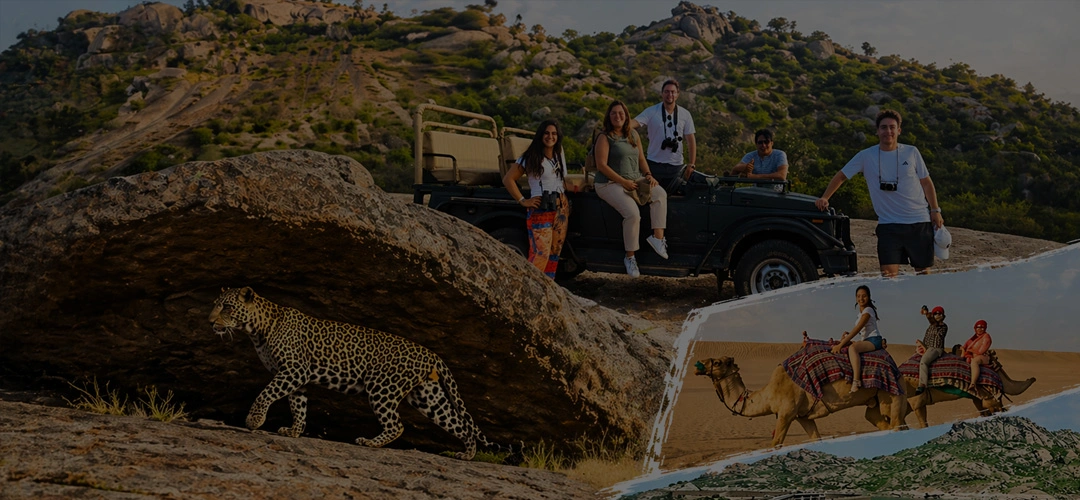
Activities in Jawai
Nature walks, leopard safaris, bird watching, village trails, crocodile spotting & more - in the heart of Jawai.
Nature walks, leopard safaris, bird watching, village trails, crocodile spotting & more - in the heart of Jawai.
Discover the wild, the sacred, and the human - every experience at Jawai tells a story no other destination can.
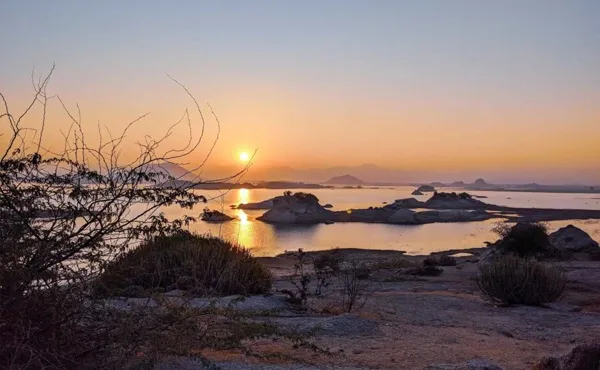
A walk in nature offers a refreshing escape from daily routines, allowing you to reconnect with the natural world. Surrounded by fresh air, greenery, and the peaceful sounds of the Jawai wilderness, it provides a calming experience that rejuvenates your mind, body, and spirit. Our certified naturalists guide you through the scrubland, revealing animal pugmarks, rare Aravalli flora, and the hidden drama of the wild at every step.
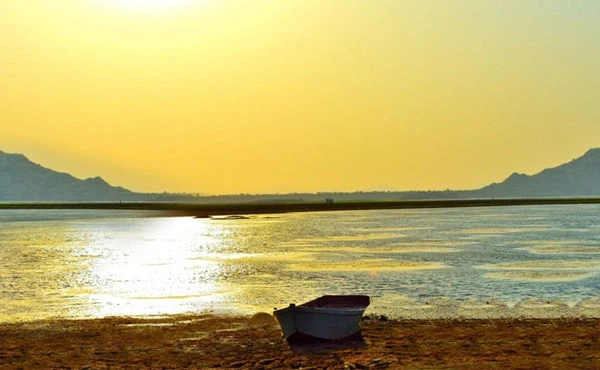
Built across the Jawai River — a tributary of the Luni — the dam offers an exquisite view of the river and surrounding Aravalli landscape. Its construction was started on 12 May 1946 and completed in 1957. It is the biggest dam in western Rajasthan, with a total area of 1,02,315 acres, a height of 61.25 feet (18.67 metres), and a storage capacity of 7,887.5 million cubic feet.
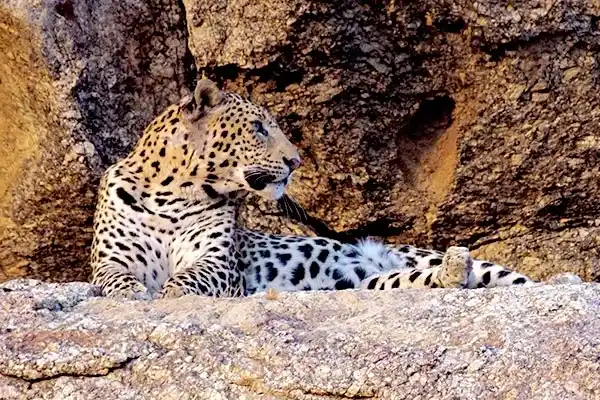
Leopards are undoubtedly the biggest attraction in Jawai Bandh. The most fascinating part is that they are very familiar with the local Rabari tribal community — and not a single incident of leopard attack has ever been recorded in nearby villages. The people have reciprocated by keeping the habitat of the big cats uninterrupted. It is a swashbuckling experience to watch them roam freely across the granite hills of Jawai.
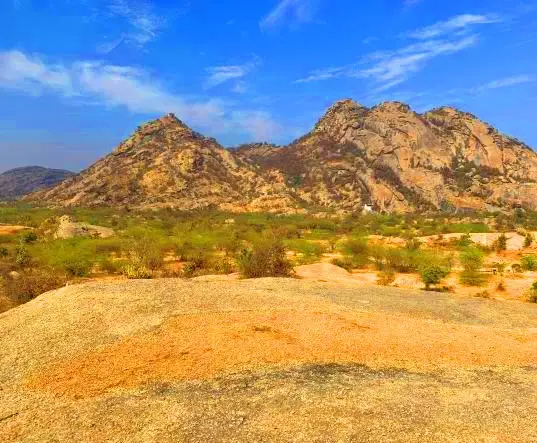
The granite hills of Jawai were formed millions of years ago by lava and are home to many wild animals, including leopards, wolves, and hyenas. They are not steep, making trekking very easy and accessible for all age groups. Apart from visiting the ancient cave temples, you can also roam across the rocks and feel the raw wilderness inside. The Jawai Hills are an indispensable part of the panorama of Jawai Bandh.
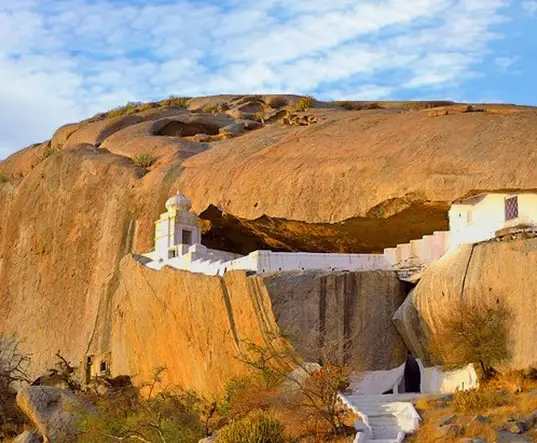
Perched on rugged granite hills near Jawai Bandh, Dev Giri Temple is dedicated to Goddess Ashapura Mata Ji, believed to protect the entire village. What makes it truly unique is its wild neighbours — leopards freely roam the temple stairs and rest in its caves below. A prime night safari circuit, the area offers thrilling after-dark encounters with big cats and rare nocturnal wildlife in perfect harmony with faith.
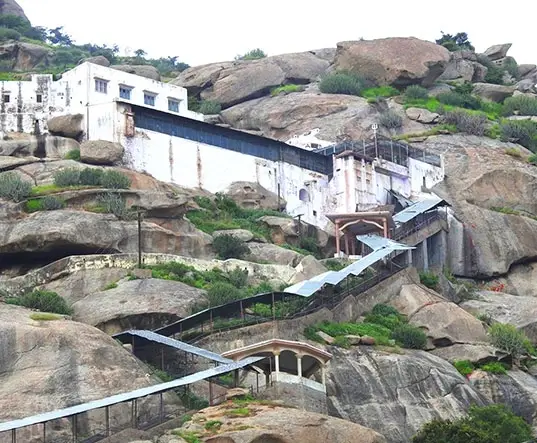
Kambeshwar Mahadev Temple is located in the Sheoganj area of Sumerpur Tehsil, just 11 km from Jawai Bandh — a must-see for anyone touring this belt. Apart from devotees, it is also a favourite destination for thrill seekers, as the temple is situated in the hills and can only be reached through narrow serpentine roads carved out of the rock face. The views from the top are breathtaking.
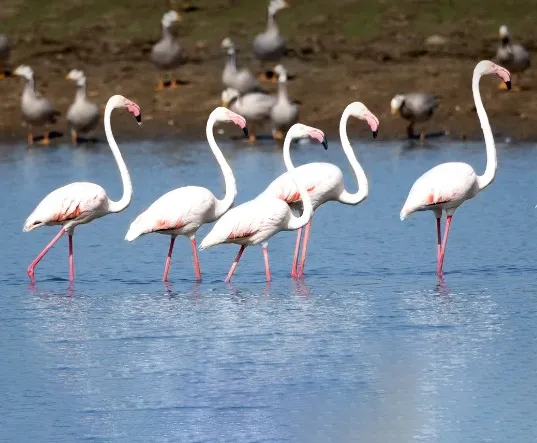
Jawai gives you a great bird-watching experience year-round — and between October and March, it becomes a temporary home for thousands of migratory birds from Central Asia and Siberia. You can spot bar-headed geese, sarus cranes, common cranes, knob-billed ducks, demoiselle cranes, spot-billed ducks, and spectacular greater flamingos — all against the scenic backdrop of the Jawai Dam reservoir and Aravalli hills.
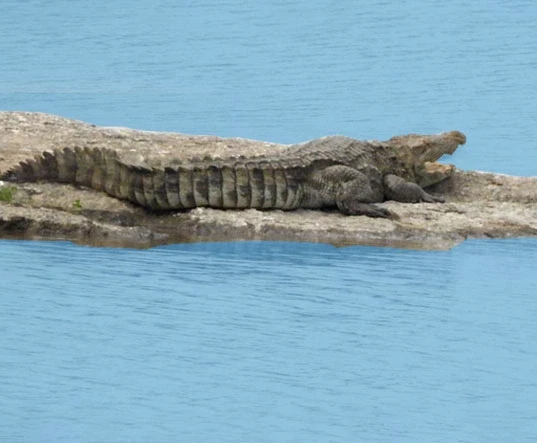
The confluence of the Jawai River and the dam reservoir makes this area a haven for marsh mugger crocodiles. They are frequently seen basking on sun-warmed rocks and hunting along the river banks. Crocodiles can be easily and safely spotted from the Jawai Dam embankment, making this a favourite activity for guests of all ages. Combined with flamingos wading nearby, it is one of Jawai's most visually spectacular natural scenes.
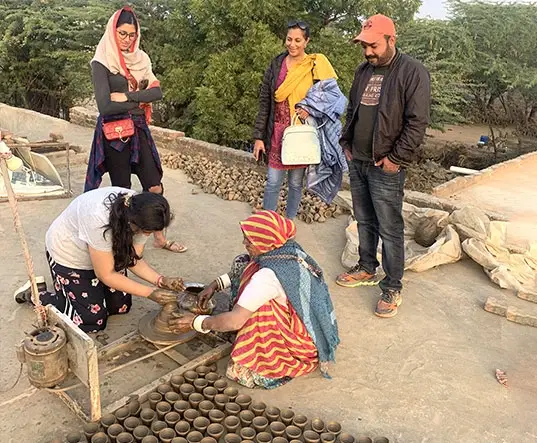
The native people of Jawai are the Rabari tribals — cattle herders and farmers who have embraced this lifestyle for centuries and enjoy being close to their ancestral lands. They still cook food in traditional earthen hearths and possess an extraordinary sense of hospitality. A guided village safari from Agvani Resort lets you witness their intricate embroidery, observe daily rural life, and experience a warmth no five-star hotel can replicate.

Agvani Resort is the best resort in Jawai allows guests to come and experience wilderness, culture, and luxury. Located in Rajasthan seamlessly blends history, wildlife and adventure.